
KYUSHU UNIVERSITY
JAPAN
About Kyushu University
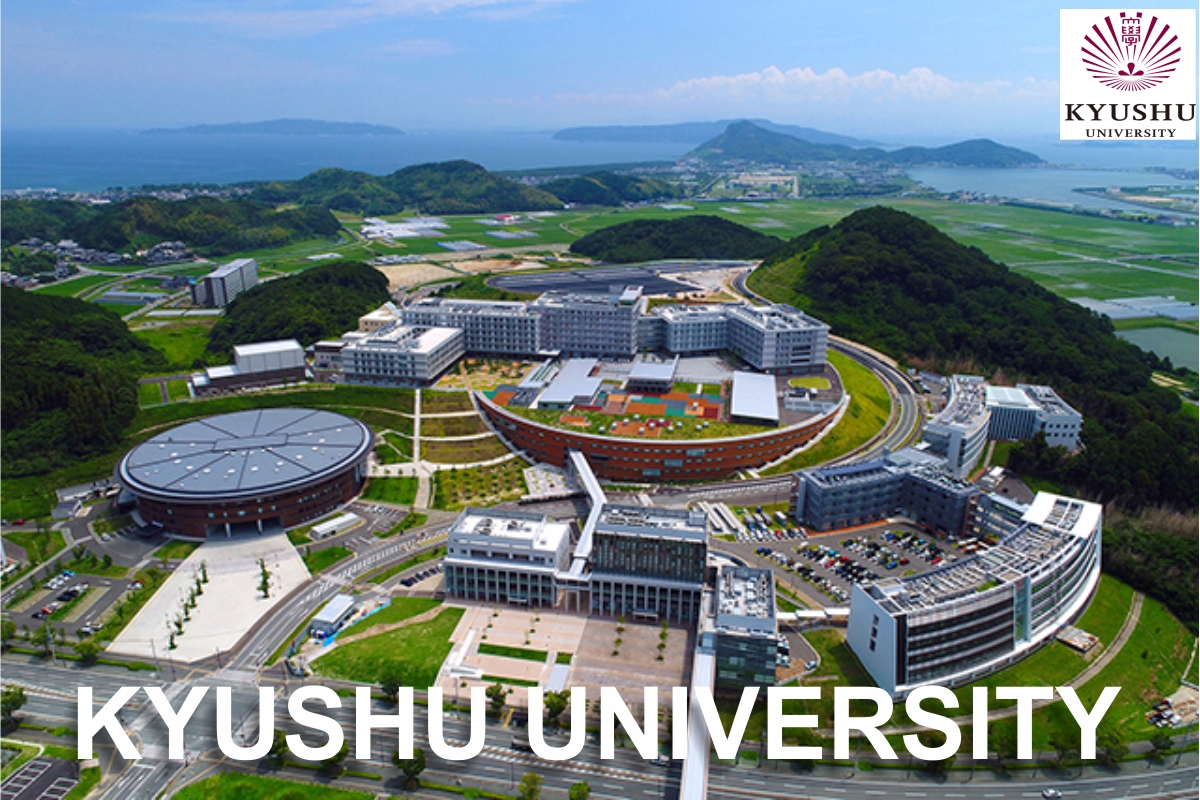
Founded in 1911, Kyushu University is one of Japan’s leading research-oriented institutions of higher education. It consistently ranks among the top ten universities in Japan in both the Times Higher Edu-cation World University Rankings and the QS World University Rankings. Located in Fukuoka on the island of Kyushu—the southwesternmost of Japan’s four main islands—Kyushu University is situated in a coastal metropolis frequently recognized as one of the world’s most livable cities and historically regarded as Japan’s gateway to Asia. The University’s multiple campuses are home to approximately 19,000 students and 8,000 faculty and staff members. By integrating a broad spectrum of disciplines—from the humanities and arts to engineering and medical sciences—Kyushu University continues to strengthen its research in key priority areas such as decarbonization, medicine and health, and envi-ronment and food systems, addressing some of society’s most pressing global challenges. Visit the school page to know more…
Major Courses for Easy Entry
Best advised you choose any course within these major areas of study as it will help prepare you for the job demands in the global market of our world today. See list of courses for Undergraduate and Graduate programs if your choice of course is not listed among the selected courses for major entry.
Please note: The information we provide on this school page are mostly for undergraduate and postgraduate programs. There are other programs such as Diploma, Certificate, Advanced diploma, Doctorate and Research programs. Although some similarities occurs in requirements within courses like Diploma, Certificate and Advanced diploma programs, but it is advisable you check the course page on overviews and entry requirements to be more exact. International applicants are encouraged to know the program they want to opt in for and the available courses offered in that program. Visit the school link for list of courses under their specific programs to make your choice.
Undergraduate Programs
.jpg)
“Through KIKAN Education, students acquire fundamental academic skills such as ‘how to observe, think, and learn,’ which form the foundation for new knowledge acquisition and effective problem-solving. Universities expect students to formulate their own questions and pursue truth through inde-pendent learning. To achieve this, students must go beyond merely accumulating essential knowledge and skills; they must apply previously acquired knowledge, compare it with experience, and creatively and critically explore questions such as ‘Why?’ and ‘Is there another possibility?’ Students are en-couraged to cultivate the intellectual habit of learning through continuous inquiry—reexamining is-sues from new perspectives and engaging with people, objects, and events with active intellectual cu-riosity. This approach establishes the foundation for proactively and independently pursuing new knowledge and possibilities with confidence in any situation.”
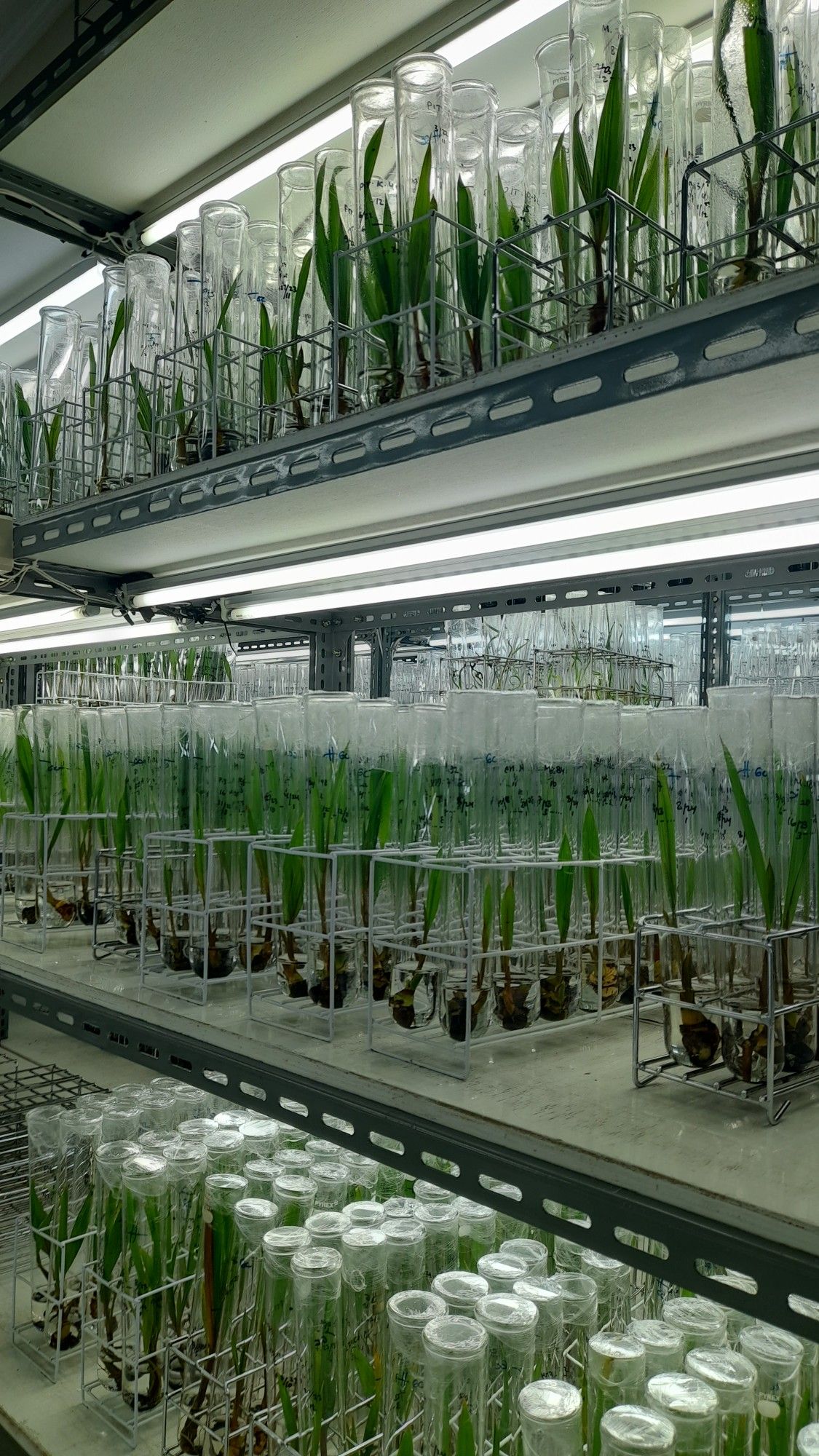
“The Faculty of Agriculture studies living organisms and their associated water, soil, and forest envi-ronments. The knowledge and insights gained are applied to advance agricultural science in ways that benefit both humankind and the Earth’s environment through the sustainable development and utiliza-tion of natural bioresources. The Faculty of Agriculture offers two courses: the General Course (spring admission), taught in Japanese, and the International Course (fall admission), taught in English. Stu-dents admitted to the International Course may also choose a double-degree option after enrollment. For further information, please refer to the entrance examination guidelines, annual schedule, timeta-ble, and course details.”

“In Applied Chemistry, students study the creation of materials whose structures and functions are controlled at the atomic and molecular levels, with the objective of contributing to the sustainable development of human society and environmental conservation. The program provides advanced education in chemistry applicable to diverse fields, including information technology, environmental sciences, nanotechnology, and biotechnology. It encompasses a wide range of materials, from organic and inorganic substances to biomolecules.”
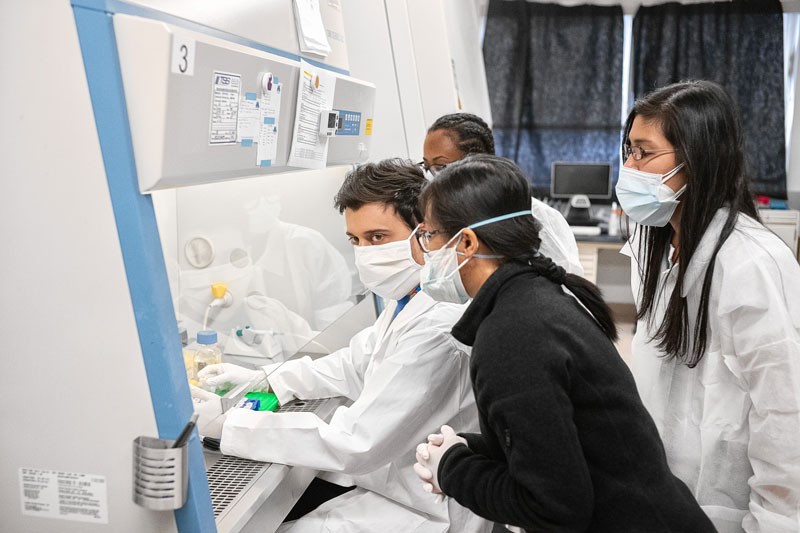
“This department is a life sciences department established within the medical school. In recent years, new academic fields have rapidly emerged through interdisciplinary integration and technological ad-vancement. Within the life sciences, significant developments have occurred in advanced medicine, including bioinformatics, systems biology, and nanobiology. To promote pioneering research in these areas, students must possess not only comprehensive knowledge of medicine and healthcare tradition-ally provided in medical education, but also specialized expertise in biomedical science and strong information-processing skills. The ability to respond accurately and flexibly to integration with disci-plines such as information science is also essential. Conventional medical education systematically and comprehensively covers disciplines such as anatomy, physiology, pathology, social medicine, and clinical medicine, providing a holistic understanding of human life and medical science. Individuals educated in this way develop broad perspectives that enable them to identify and address complex is-sues in life and medical sciences. Based on this foundation, the department aims to cultivate a new generation of researchers equipped with advanced expertise and information-processing capabilities, who will lead the next era of biomedical science. The department also seeks to produce professionals with a broad human-science perspective who can contribute across various life science–related fields.”
“The Department of Biology engages in diverse fields of biology, including molecular, cellular, and population biology. Various aspects of modern biological sciences are explored using a wide range of innovative methodologies. Advanced research is conducted in close collaboration with the Depart-ment of Molecular Biology of the Faculty of Medical Science. The department offers foundational lecture courses and experimental training in both fundamental and contemporary areas of biology, which have experienced significant advancements in recent years. Its primary focus is to educate stu-dents as professionals in the life sciences and related disciplines. Lectures and experimental training cover animal physiology, developmental biology, plant physiology, ecology, genetics, molecular ge-netics, biophysics, biochemistry, mathematical biology, cell biology, and marine biology.”
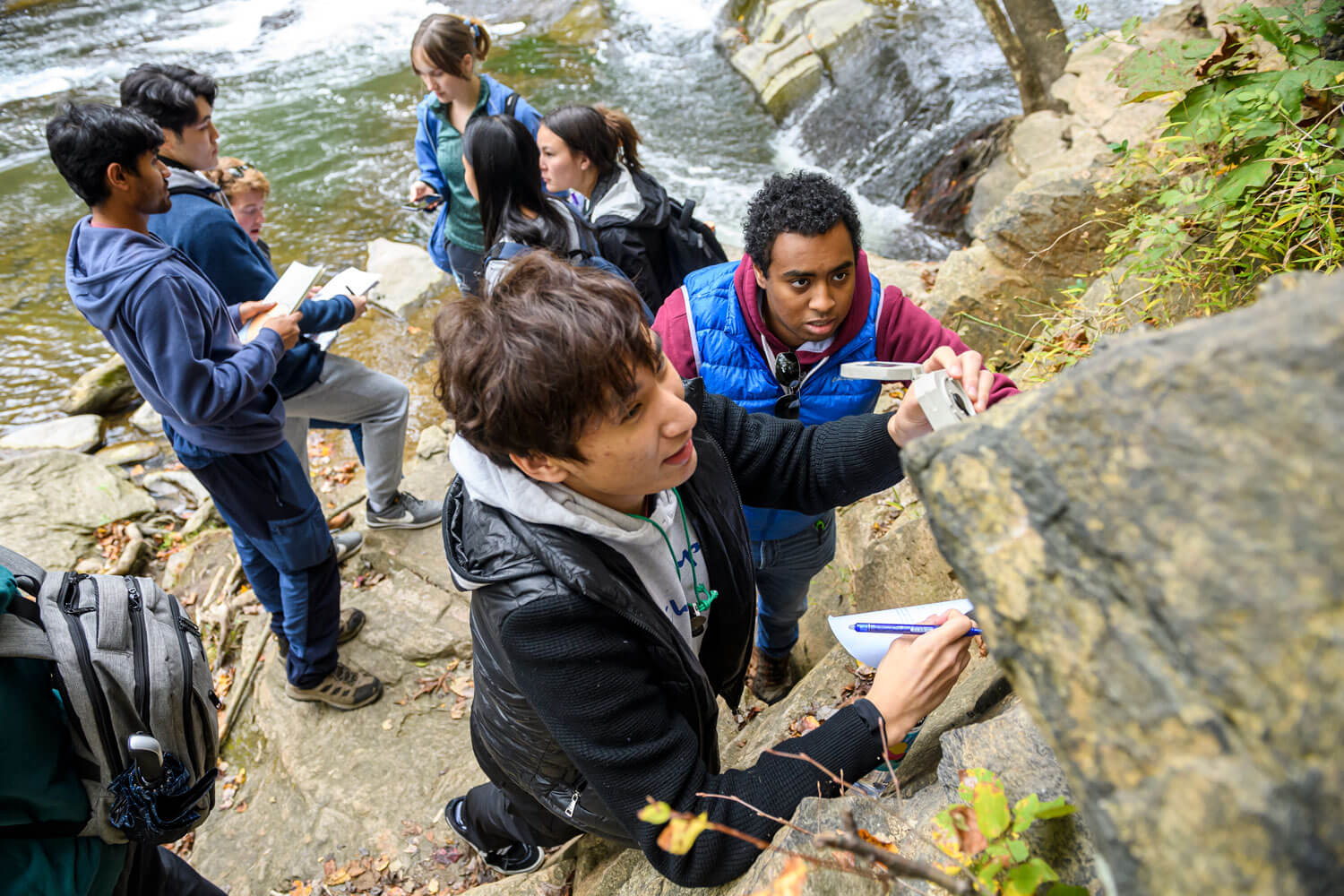
“The goal of undergraduate education in Earth and Planetary Science is to achieve a comprehensive understanding of how Earth and planetary systems were formed, how they evolved, how they function, and how they will continue to develop. Faculty members begin by teaching foundational sciences, in-cluding physics, chemistry, biology, mathematics, and computer science, along with introductory courses in earth and planetary sciences. An advanced program then enables students to explore the core principles of earth and planetary sciences. The curriculum includes geophysics of the Earth’s deep interior, near-surface geological and geochemical sciences, oceanic and atmospheric sciences, geomagnetosphere studies, solar-planetary system sciences, and research on recent environmental changes affecting our planet. The department maintains active educational collaboration with the In-stitute of Seismology and Volcanology, the International Research Center for Space and Planetary Environmental Science, and the Kyushu University Museum.”

“The Department of Economy and Business provides instruction in fundamental concepts of economics and business management while equipping students with a broad education, practical insight, and international awareness necessary to address and resolve challenges in an increasingly complex and diversified modern economy. To achieve these objectives, the department has established three programs: Economic Analysis, Industrial Analysis, and Business Analysis. The Economic Analysis program develops students’ analytical expertise, planning skills, and creative capacity to examine modern economic issues from theoretical and structural perspectives. The Industrial Analysis program offers historical and empirical perspectives on industrial society, enabling students to understand and critically analyze economic and social events in key policy areas. The Business Analysis program prepares students for leadership roles in companies operating both domestically and internationally and equips them to address complex organizational challenges.”

“This department aims to provide students with an understanding of modern society from an economic perspective while equipping them with mathematical, statistical, and computational methods necessary for rigorous analysis. Students develop the ability to comprehensively understand real-world economic phenomena and to address practical challenges. The undergraduate program delivers integrated instruction in fundamental economic concepts, economic theory, mathematics, computer science, information technology, and their applications to the real economy and economic policy.”

“Physics is the most fundamental of the natural sciences, and the department offers a wide range of courses. Lectures cover core areas such as Classical Mechanics, Electromagnetism, Statistical Physics, and Quantum Mechanics, as well as emerging frontiers in physics. Students also have opportunities to specialize in fields including Condensed Matter Physics, Atomic Physics, Nuclear Physics, and Crystal Physics.”
“The Kyushu University School of Medicine was established by imperial edict based on the former Fukuoka Prefectural Hospital. The current hospital campus houses various research facilities, including Kyushu University Hospital—one of the largest university hospitals in Japan—along with lecture and research buildings, the Radiation Experiment Center, and animal research facilities. Supported by rapid advancements in basic life sciences, modern medicine now encompasses developments such as gene therapy and regenerative medicine. Furthermore, the integration of engineering, informatics, and medicine has enabled advanced medical technologies, including remote treatment and robotic surgery. Technological innovation in medicine continues to progress remarkably, and it is expected that future generations of medical researchers, educators, and healthcare professionals will contribute to the advancement of medical science and the research, development, and implementation of cutting-edge medical care.”
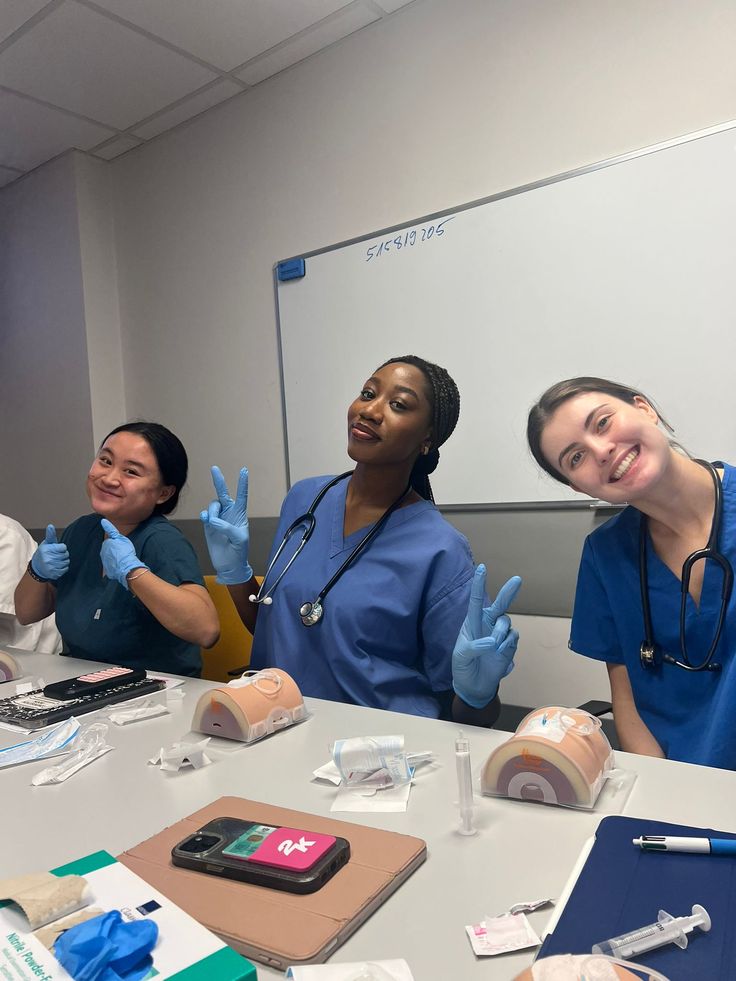
“In recent years, advancements in medical technology and the increasing prevalence of diseases and chronic conditions have raised the standards required in nursing practice. Additionally, changes in social structures—including declining birth rates and aging populations—require nurses to respond flexibly and compassionately to individuals at various life stages. In response to these societal changes, the nursing program is founded on a deep respect for the dignity of life, aiming to educate competent nurse practitioners, public health nurses, and midwives.”

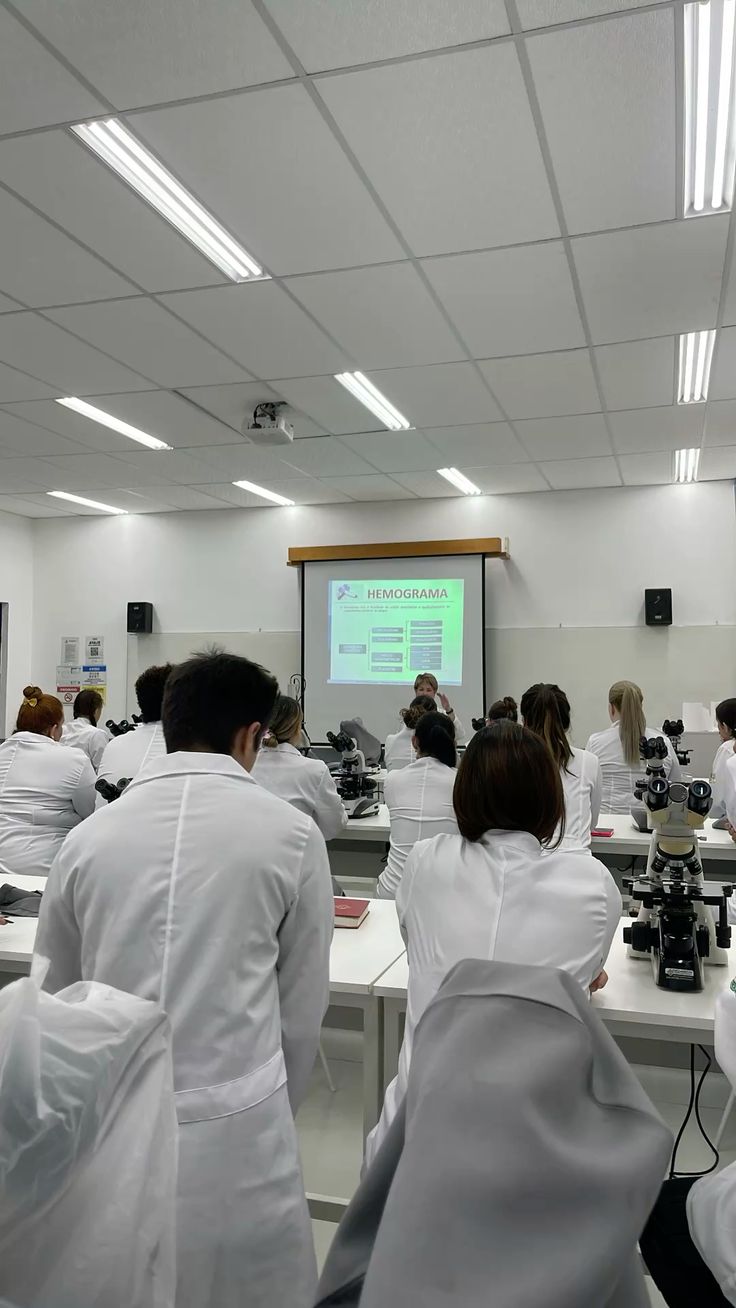
“The Medical Technology Course focuses not only on educating students to become technical specialists in laboratory medicine, but also on conducting research in diverse fields of medical science, including microbiology, physiology, biochemistry, pathology, immunology, hematology, parasitology, endocrinology, public health, and medical engineering. These activities are grounded in comprehensive knowledge and advanced skills in biological and medical technologies, all dedicated to promoting human health and welfare.”

“In Civil Engineering, students study the design, construction, maintenance, and management of social infrastructure such as water and sewage systems, roads, and ports, along with the restoration of damaged natural environments, all aimed at creating a healthier and more sustainable society. The program provides education in the latest technologies—both hardware and software—across various fields including structural design and construction, urban planning, and soil and water environmental conservation.”
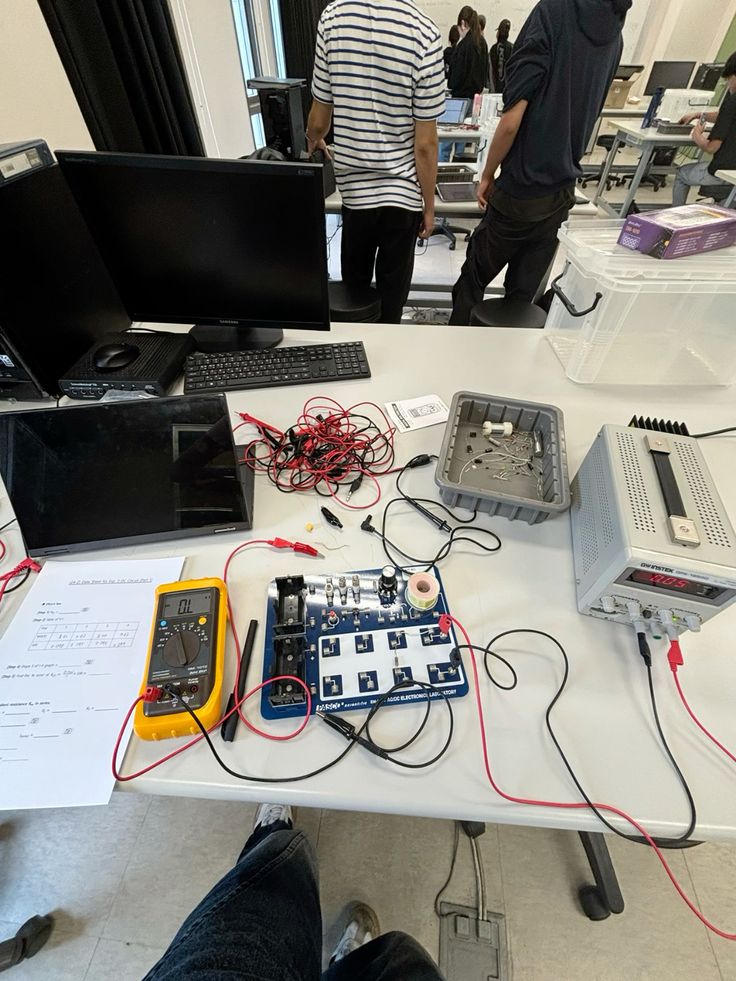
“The Electrical Engineering and Computer Science program offers a comprehensive curriculum covering electricity, electrical energy, electronics, communications, data science, and computer systems. The program prepares students to become highly skilled engineers or researchers capable of developing innovative products and services across a broad range of industries, from social infrastructure systems such as energy management and intelligent transportation systems to advanced information technologies including mobile communications and remote medical diagnostics.”
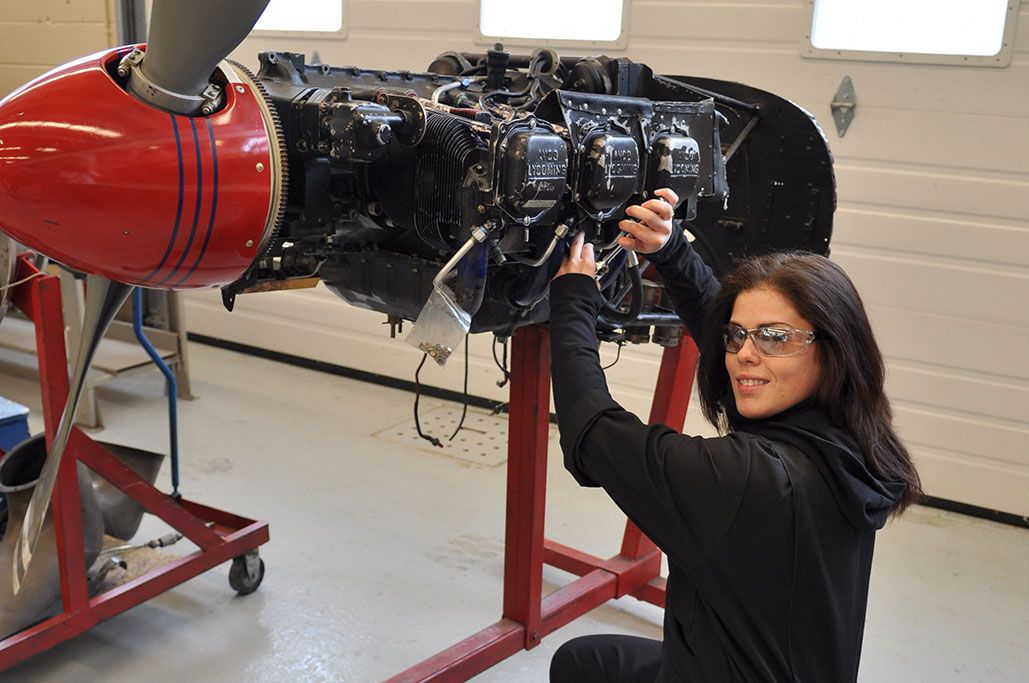
“In Mechanical and Aerospace Engineering, future engineers and researchers are trained within the culture of ‘monozukuri’—the spirit of innovation and manufacturing excellence for which Japan is internationally recognized. Students acquire comprehensive knowledge of mechanical engineering essential for developing cutting-edge technologies in fields such as ultra-precision instruments, robotics, automotive engineering, aerospace systems, and energy technologies.”
Postgraduate Programs
“Basic education at graduate schools seeks to build upon what students learned during their undergraduate studies, advancing their capabilities to a higher level. The objective of graduate-level basic education is to nurture in students a sophisticated and universal set of knowledge, skills, and mindsets (high-end literacy) that will be valuable in their academic pursuits, research activities, and professional careers after graduation. Students develop the ability not merely to transmit knowledge, but to think critically about specific issues and further expand upon what they have learned.”

“The Graduate School of Bioresource and Bioenvironmental Sciences offers both Master's and Doctoral degrees in general programs conducted primarily in Japanese, with admission in April. International programs conducted in English are also available, with admission in October for the Master's program and in October or April for the Doctoral program. All programs consist of nine educational courses across four majors. Through postgraduate study and innovative research, the Master's course aims to cultivate advanced expertise and strategic problem-solving abilities, while fostering a balanced and adaptable mindset. The Doctoral course builds upon students’ expertise, promotes internationalization, and prepares graduates to lead the next generation of bioresource and bioenvironmental sciences, contributing to both research and education. Graduate students receive specialized instruction from leading scientists in their respective fields and simultaneously acquire valuable international competencies through study and research in both general and international courses.”
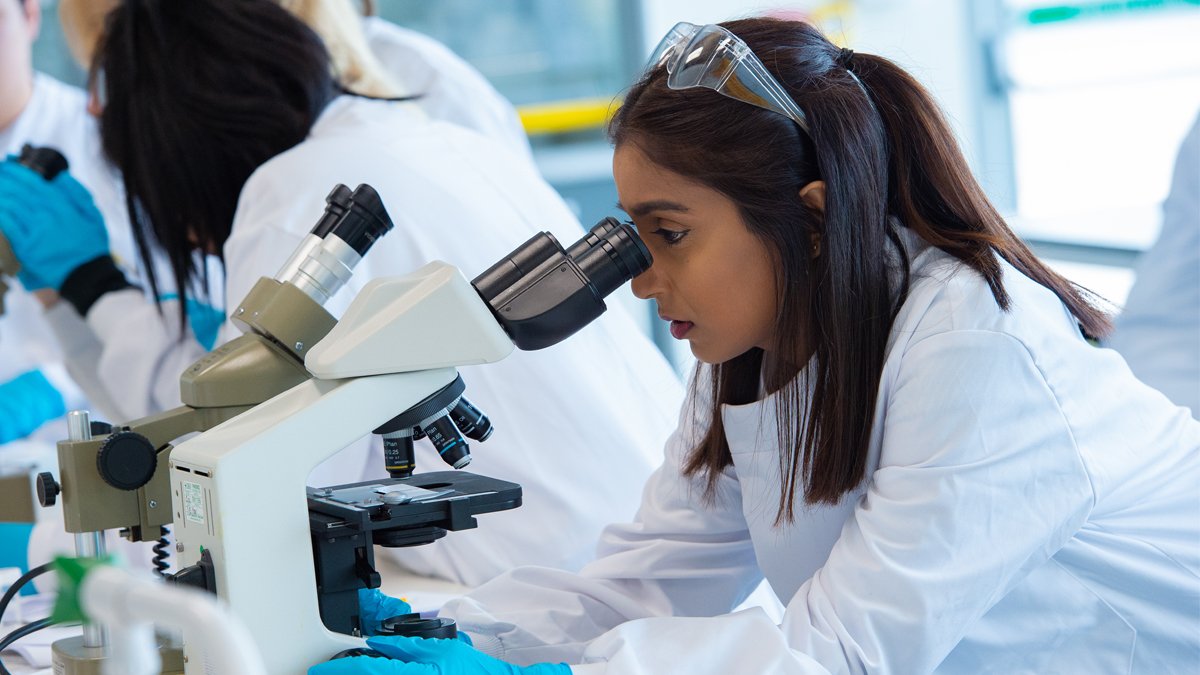
“The Graduate School of System Life Science offers two divisions: the Division of Molecular Life Sciences and the Division of Biological Sciences. Within the Biological Sciences, recent advancements in ecology and evolutionary biology have provided improved tools to investigate interactions among individuals and the coexistence of species within ecosystems. Similar progress in other branches of biology has enhanced knowledge and research techniques. At the cellular level, developments in physiology have refined methodologies for analyzing biological phenomena. Advances in molecular biology have further expanded our understanding of genomes and clarified the mechanisms underlying physiological processes.”

“The Civil Engineering Global Course focuses on restructuring social infrastructure systems beyond conventional technologies. The program emphasizes the deployment of advanced structural design and construction technologies, as well as strengthened disaster prevention strategies through innovative technological applications.”

“The Department of Economic Engineering comprises three major specialized fields: Economic System Analysis, Economic Analysis and Policy, and Mathematical and Computer Sciences. The graduate program prepares students for careers as researchers and professionals equipped with highly specialized knowledge and skills to develop creative solutions to a wide range of complex and evolving societal issues. The Master’s Program enrolls 20 students annually. Master’s students are required to complete core courses in Microeconomics, Macroeconomics, Econometrics, Mathematical Methods in Economics, and Computer Sciences, in addition to completing one specialized field. The Master’s degree is awarded upon successful completion of coursework and submission of a satisfactory master’s thesis. The Ph.D. program enrolls 10 students annually. A Ph.D. in Economics requires completion of designated coursework, submission of a dissertation, and a successful defense in a final oral examination.”

“The Graduate School of Information Science and Electrical Engineering was established to nurture researchers and engineers who support a human-centered advanced information society. The school provides comprehensive postgraduate education covering both Information Science and Technology (I) and Electrical and Electronic Engineering (E). It consists of two departments: the Department of Information Science and Technology, which provides integrated education in information science theory and advanced information infrastructure practices; and the Department of Electrical and Electronic Engineering, which offers systematic education in advanced electrical, electronic, and communication engineering. Each department provides programs aligned with real-world applications. Through collaboration between departments and courses, the school delivers comprehensive education ranging from fundamental principles to advanced applications in the interdisciplinary field of Shisutemu Joho Kagaku (Systems Information Science), integrating information science, communication engineering, electronics, and electrical engineering. Students acquire specialized knowledge in their major fields while broadening their expertise across related disciplines.”
“This major aims to produce researchers and educators who contribute to the welfare and health of humanity from a global perspective. Students acquire a deep understanding of advancements in life-science research through the integration of medicine with knowledge from diverse fields. The program seeks students with strong critical reasoning abilities who can solve problems ethically and demonstrate a commitment to fulfilling their mission in medicine by applying knowledge gained during their undergraduate studies. Furthermore, the program emphasizes systematic foundational education for those intending to progress from the Master’s course to the Ph.D. course in the Graduate School of Medical Sciences.”
“The program aims to cultivate professionals who can contribute as educators and researchers in Clinical Medical Technology and develop into practical trainers and specialists in clinical settings. It offers two courses: Biological Sciences and Technology, and Medical Sciences and Technology. In the Biological Sciences and Technology course, education and research focus on analyzing mechanisms that maintain biological functions, developing examination methods and techniques that provide clinically useful data, and processing data obtained through advanced inspection and testing equipment.”

“The Department of Mechanical Engineering provides students with exceptional opportunities to acquire broad and in-depth expertise in mechanical engineering, along with foundational interdisciplinary knowledge that meets contemporary demands. Graduates are prepared to become leading engineers and researchers. The education and research fields cover material strength and design systems; UIDs engineering; thermal engineering; combustion; dynamics of machinery; control and systems engineering; manufacturing processes; bioengineering; biomedical engineering; and UIDs engineering. The program welcomes students from around the world who aspire to pursue an international career in mechanical engineering.”

“Nursing science is both a practical discipline that supports individuals across various health conditions and an academic field dedicated to healthcare advancement. The Nursing Course is divided into two categories: Fundamental and Clinical Nursing, which aims to develop practical trainers and supervisors contributing to innovation in clinical settings; and Developmental and Community Health Nursing, which prepares professionals to serve as educators and researchers in administrative or educational institutions.”

“What are the fundamental principles that govern the natural world? What are the basic elements that constitute matter? How can the diverse characteristics of matter in our universe be explained in terms of fundamental principles and elements? How was the universe, including nature itself, formed? The department conducts research and education addressing these essential questions concerning the structure of nature and materials. The fields of physics include Elementary Particle Physics, Astrophysics, Nuclear Physics, Fundamental Theory of Condensed Matter, Low Temperature Physics, Electronic Properties of Condensed Matter, and Complex Systems, including Polymers and Liquids.”
Please Note: Kyushu University requires undergraduate applicants to prepare for the Basic Entrance Examination. The entrance examination questions are not necessarily difficult; students who have studied diligently in high school should be able to address them using their acquired knowledge and skills. To select the most suitable candidates, the University’s undergraduate entrance examination is guided by three fundamental policies:
- First, the examination questions are specifically designed to be manageable for students who have completed a high school education.
- Second, students are expected to be adequately prepared for the University’s liberal arts education upon enrollment. The University highly values applicants who have studied a broad range of subjects across both the humanities and sciences and who possess global perspectives and foreign language communication skills. Humanities students are required to have foundational knowledge in the sciences, while science students are expected to demonstrate foundational knowledge in the humanities. Additionally, all students, regardless of discipline, must possess fundamental proficiency in one or more foreign languages.
- Third, the University emphasizes the ability to solve problems by applying and integrating previously acquired knowledge, rather than relying solely on memorization.
Prospective applicants are encouraged to keep these principles in mind and strive for the deepest possible understanding throughout their primary and secondary education.
As the majority of courses in traditional undergraduate programs are taught in Japanese, a high level of proficiency in Japanese is required upon enrollment.