
THE UNIVERSITY OF OSAKA
JAPAN
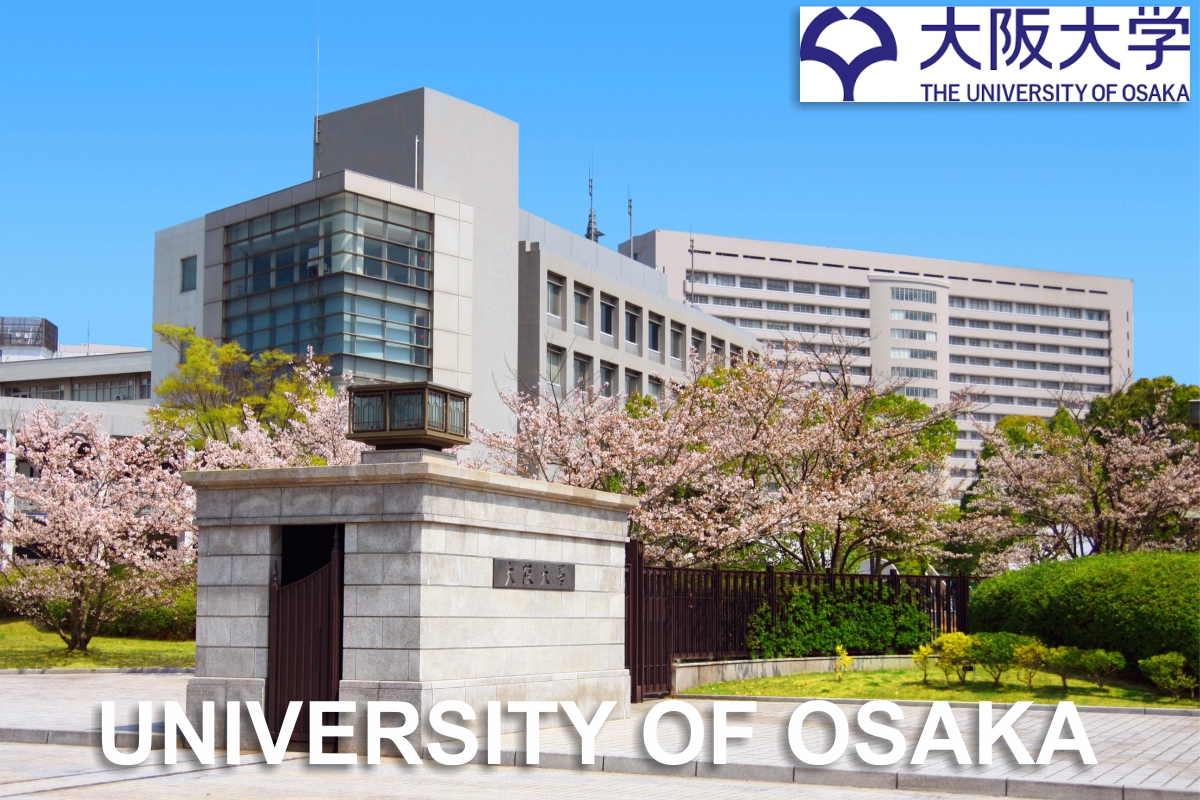
About the University of Osaka
Tekijuku, the root of the University of Osaka, attracted highly motivated young people from all over Japan who admired OGATA Koan. Back then, Tekijuku offered a school system of friendly rivalry between those who taught and those who learned, where students not only received the teachings from their masters but also emulated and improved each other. The spirit of Tekijuku, “Do not aim to become like your master but rather strive to be what your master aspires to be,” has been passed down to the entire University of Osaka till today. The right attitude for learning at the university should not be merely to acquire existing knowledge in a passive way but to learn autonomously while selecting what to learn. Also, as the saying goes, “Spend three years in searching for your master rather than in studying,” the University of Osaka has remarkable teachers who serve as your future role models. Furthermore, as a university, the University of Osaka will make your learning experience more fulfilling if you interact with people from diverse backgrounds and jump into their circles with courage. Visit the school page to know more…
Major Courses for Easy Entry
Best advised you choose any course within these major areas of study as it will help prepare you for the job demands in the global market of our world today. See list of courses for Undergraduate and Graduate programs if your choice of course is not listed among the selected courses for major entry.
Please note: The information we provide on this school page are mostly for undergraduate and postgraduate programs. There are other programs such as Diploma, Certificate, Advanced diploma, Doctorate and Research programs. Although some similarities occurs in requirements within courses like Diploma, Certificate and Advanced diploma programs, but it is advisable you check the course page on overviews and entry requirements to be more exact. International applicants are encouraged to know the program they want to opt in for and the available courses offered in that program. Visit the school link for list of courses under their specific programs to make your choice.
Undergraduate Programs
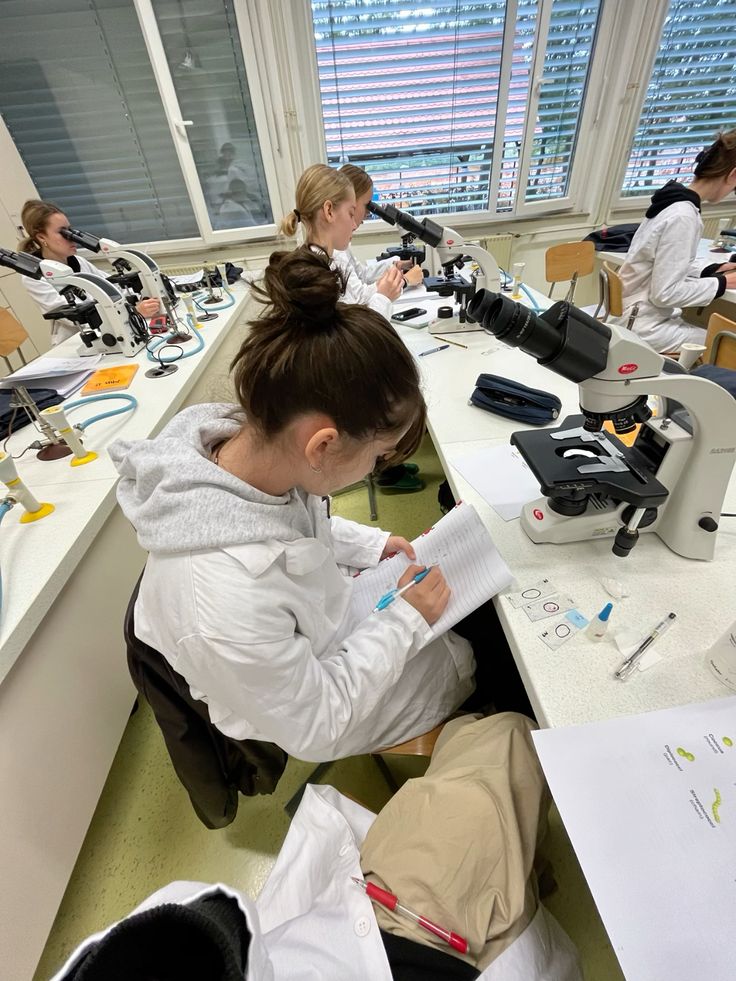
“The Department of Biology was founded in 1949 with three laboratories: two dedicated to protein chemistry (Professors Akabori and Okunuki) and one to cell biology (Professor Kamiya). At that time, the department differed from conventional biology, zoology, and botany departments commonly found in other universities. We continue to uphold this unique tradition in a modernized manner and consistently strive to develop new research areas in biology. We emphasize interdisciplinary research and education by constructing networks centered on the study of biomolecules. Small-sized exercise classes and advanced experimental courses are offered during the early stages of undergraduate study. Undergraduate students participate in laboratory work across diverse biological fields, including single-molecule biology, protein structure and function, DNA replication, plant and animal development, neural circuit networks, and theoretical biology, all aimed at elucidating life and living organisms.”
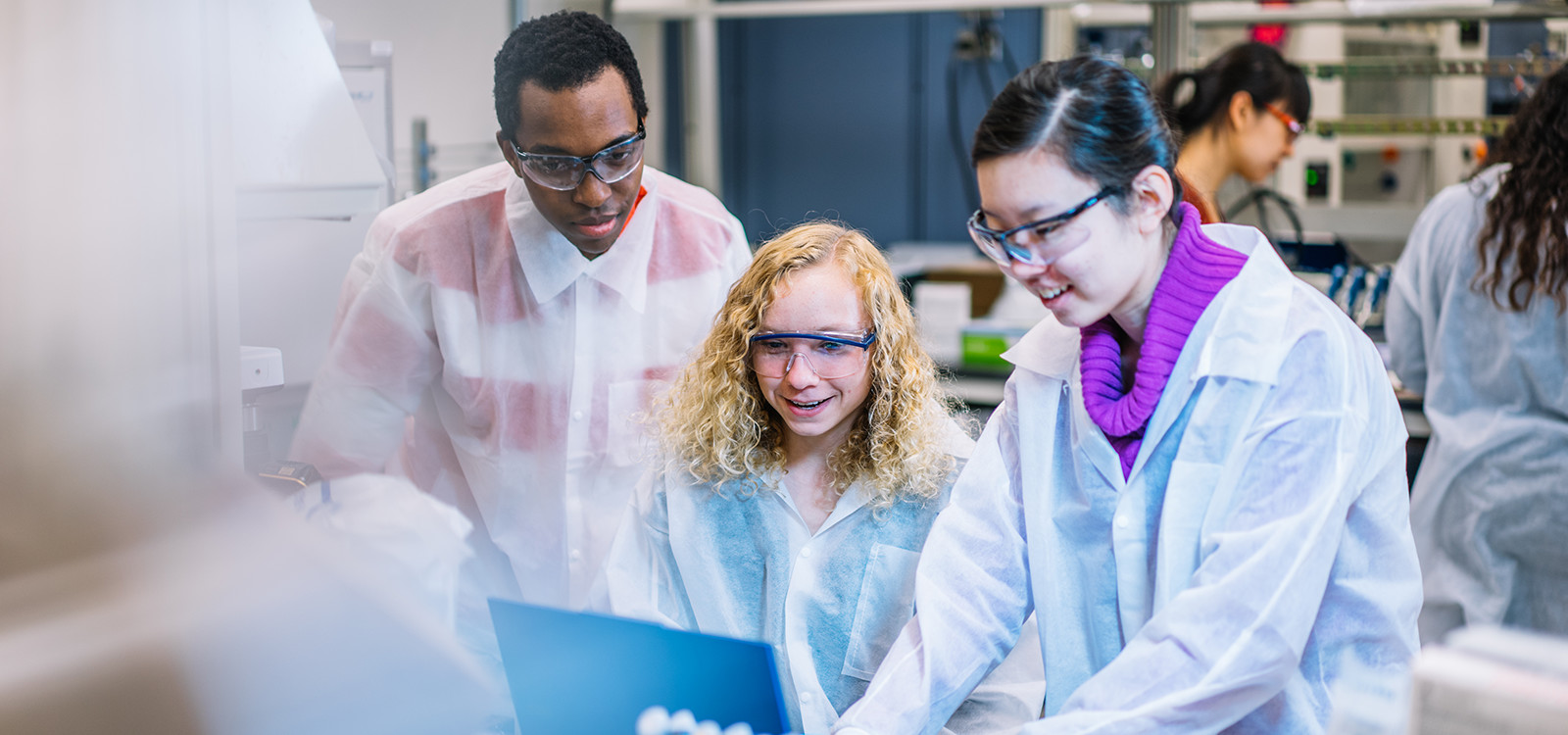
“Chemistry plays a vital role across all fields of science and technology in creating materials with new functions or enhanced performance, as well as addressing critical challenges related to the environment, resources, and energy. The Department of Chemical Science and Engineering is structured to encompass the most significant and rapidly advancing fields in science and technology related to chemistry and chemical engineering. These include the design and synthesis of new materials, and the construction and evaluation of systems for chemical conversion of materials and energy, spanning areas from the molecular level to living and global systems. In the first year, students undertake general education subjects that broaden their knowledge in natural and social sciences, including foreign languages. Upon successful completion of the first year, students select either the Course of Chemistry or the Course of Chemical Engineering. The second and third years provide essential foundations in chemical and chemical engineering principles. Formal lectures are complemented by tutorial (exercise) sessions and laboratory work conducted in small groups. In the final year, all students are required to complete a thesis (research project) under the close supervision of academic and research staff.”
“The term ‘economy’ originates from the classical Chinese text keiseisaimin, meaning ‘governing a nation and providing relief for its people.’ This concept reminds us that economic knowledge contrib-utes significantly to improving living standards and societal welfare. Our research and teaching are grounded in the philosophy of keiseisaimin.In the modern era—marked by emerging infectious dis-eases, persistent global conflicts, and sudden natural disasters—studying economics through the spirit of keiseisaimin is increasingly important. Professional economists provide valuable insights into press-ing social issues such as economic inequality, poverty, and global warming. Economic principles are also applied to analyze issues within sports and entertainment.”
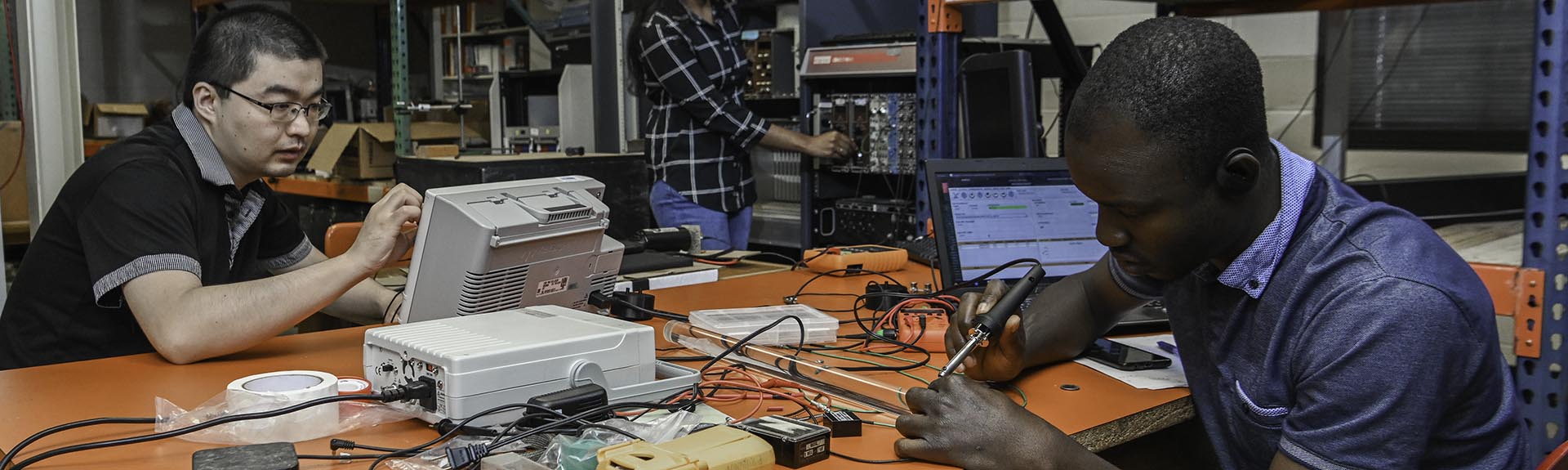
“The Department of Electronic and Materials Physics contributes to a resource-efficient and infor-mation-oriented society founded on respect for human life and dignity. To further advance such a so-ciety—capable of efficiently controlling and sharing vast amounts of information—it is essential to realize the efficient production, storage, transmission, and control of information and energy, as well as to supply carefully selected material resources necessary to sustain society.These objectives can be effectively achieved through advanced science and technology related to electrons and light. Contin-ued investigation into the new properties and practical functions of electrons and light, along with the development of related materials and their applications in devices and systems, is becoming increas-ingly important.”
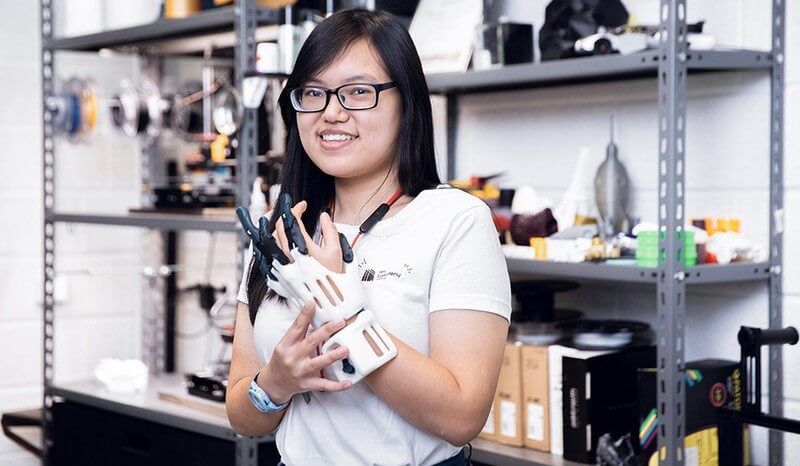
“The mission of the Faculty of Engineering / Graduate School of Engineering at The University of Osaka is to realize a safe and secure society characterized by true prosperity, achieved through harmony between nature and humankind. The Faculty seeks to contribute to the future development of a science- and technology-driven nation through the pursuit of truth and socially responsible manufacturing, while cultivating engineering researchers and professionals who can become creative global leaders capable of addressing emerging challenges.”
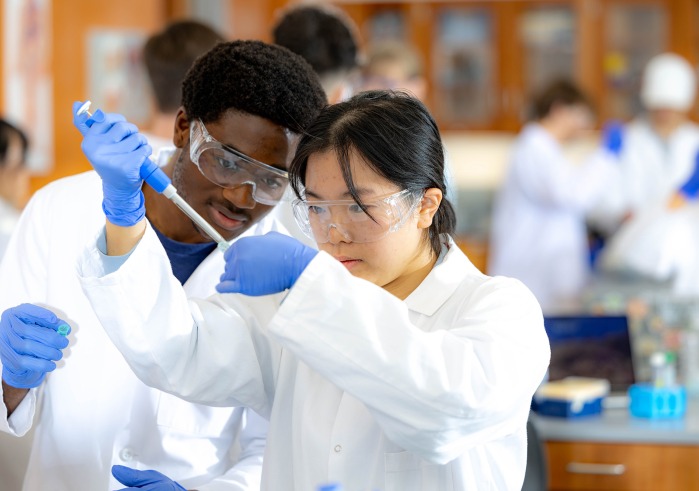
“The School of Human Sciences at The University of Osaka was the first of its kind established in Ja-pan. Its origins date back to 1972, when a separate school comprising the departments of psychology, sociology, and education was formed, becoming independent from the School of Letters at The Uni-versity of Osaka. Today, the School offers an undergraduate program consisting of four divisions: the Division of Behavioral Sciences; the Division of Sociology, Philosophy, and Anthropology; the Divi-sion of Education; and the Division of Kyosei Studies. It also offers an All-English Undergraduate Program and a graduate program that includes the Division of Behavioral Sciences, the Division of Sociology, the Division of Education, and the Division of Kyosei Studies.”

“The Department of Information and Computer Sciences aims to equip undergraduate students with foundational scientific knowledge and technological expertise in informatics and mathematical sci-ences. After completing one year of general education—including fundamental courses in computer science—students are required to enroll in one of three courses offered by the Divisions of Computer Science, Software Science, or Mathematical Science. Approximately ninety percent of students pro-ceed to graduate studies after completing four years of undergraduate study, or three years in cases of high academic achievement. Many others pursue careers in the electronics, computer, communica-tions, or software industries upon graduation. The Divisions of Computer Science and Software Sci-ence share a common educational framework focused on fundamental training in their respective fields. The Division of Mathematical Science encompasses both applied mathematics and statistical sciences.”
“The Osaka University Faculty of Medicine comprises the Medical School and the School of Allied Health Sciences. The Medical School offers a six-year program leading to eligibility for the Doctor of Medicine degree. The program provides education that prepares students to work collaboratively in teams and adapt to the dynamic and complex nature of modern medicine. To accurately diagnose pa-tients and recommend appropriate treatments, students learn from clinicians and medical researchers with global experience. In addition to emphasizing excellent patient care, the program aims to devel-op graduates who will become leaders in medical and scientific research worldwide. This strong em-phasis on research is essential in preparing students for rapid advancements in medicine. Research op-portunities are available in emerging fields such as Genomic Medicine, Medical Robotics, and Regen-erative Medicine.”
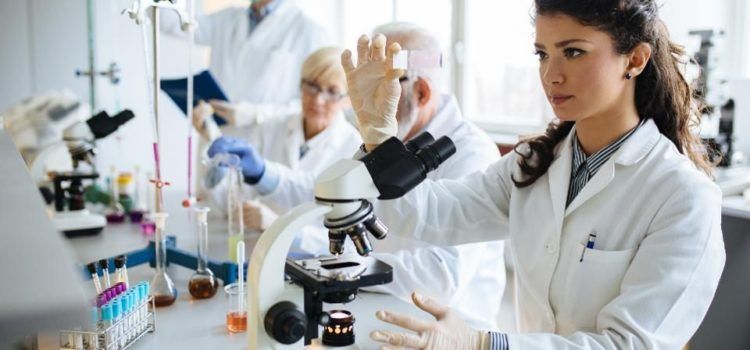
“Pharmacy is a ‘science of life’ dedicated to preserving life, curing illness, and alleviating suffering through the use of medicines. The philosophy of the Faculty / Graduate School of Pharmacy is to gen-erate pharmaceutical knowledge grounded in high ethical standards and to return that knowledge to society. This involves exploring the principles of life, promoting human well-being through innova-tive drug discovery research, ensuring the proper use of medicines, and preventing diseases. The ulti-mate goal is to contribute meaningfully to the future of healthcare and society.”
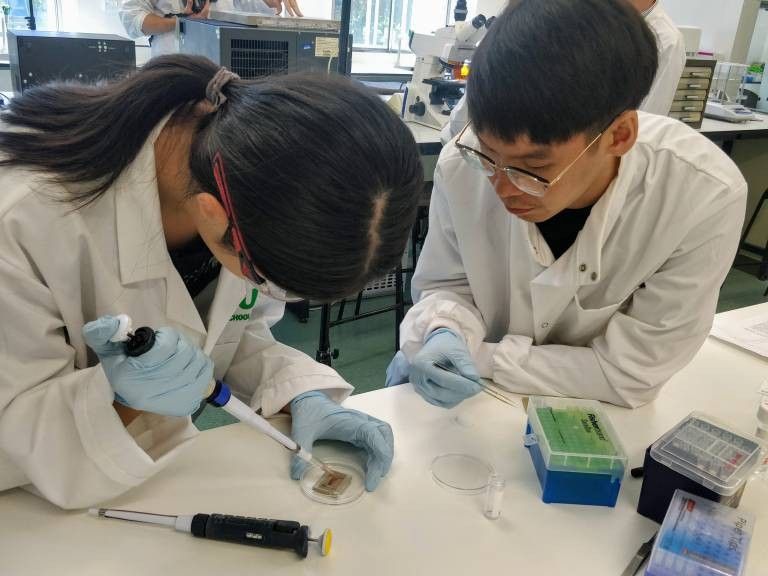
“The mission of The University of Osaka is to nurture outstanding individuals with a strong sense of ethics who aspire to become global citizens and leaders across various fields worldwide, under the guiding principle ‘Live Locally, Grow Globally.’ Accordingly, the Department of Biological Sciences, the Department of Mathematics, the Department of Physics, and the Department of Chemistry within the School of Science have established the International Undergraduate Program in Science for inter-national students. Students are enrolled in the program for a total of 4.5 years—comprising half a year as a research student and four years as an undergraduate student—culminating in the award of a Bach-elor’s degree. The program is jointly administered by the International College and the School of Sci-ence at The University of Osaka.”
Postgraduate Programs
“The Graduate School of Human Sciences / School of Human Sciences engages in education and research by valuing ‘an open mind to tackle reality based on an understanding of human beings, belief in scientific methods, and interdisciplinary responses to new challenges posed by the present era.’ Guided by this philosophy, our goals are to develop students’ abilities to examine and solve various problems in contemporary society from broad perspectives informed by theories, experiments, research data, and diverse academic disciplines, and to nurture individuals who can contribute to Japan and global society in the 21st century.”

“The Graduate School and Faculty of Economics of Japan are proud to be leaders in Japanese economic research, conducting some of the world’s most advanced and up-to-date studies. In recent years, they have actively pursued research in emerging fields such as behavioral economics, a modern approach that focuses on human irrationality. In addition to economics, the faculty includes experts in areas that examine economics and management from historical and interdisciplinary perspectives, such as management science, marketing, management strategy, business history, economic history, and management history. The school also provides unique scholarships available exclusively through the Graduate School and Faculty, such as those offered by the Department of Workage. These cutting-edge and diverse contributions to economic knowledge have been shared with society through research papers and publications, many of which have received prestigious recognitions, including the Nikkei and Economic Book Culture Awards.”
“The Department of Biological Sciences, Graduate School of Science, offers a variety of graduate programs including lectures covering a broad range of contemporary biology, research training, and advanced seminars focusing on specialized topics. These programs are guided by researchers from the Department of Biological Sciences, the Institute for Protein Research, the Research Institute of Microbial Diseases, the Genome Information Research Center, Frontier Biosciences, and three affiliated institutes outside the university. The Department of Biological Sciences was reorganized in 1996 by merging the departments of Physiology and Biochemistry, both originally founded in 1953. This reorganization, together with collaboration with external institutes, enables coverage of a wide spectrum of research fields in modern biology and life sciences, which continue to expand rapidly.”
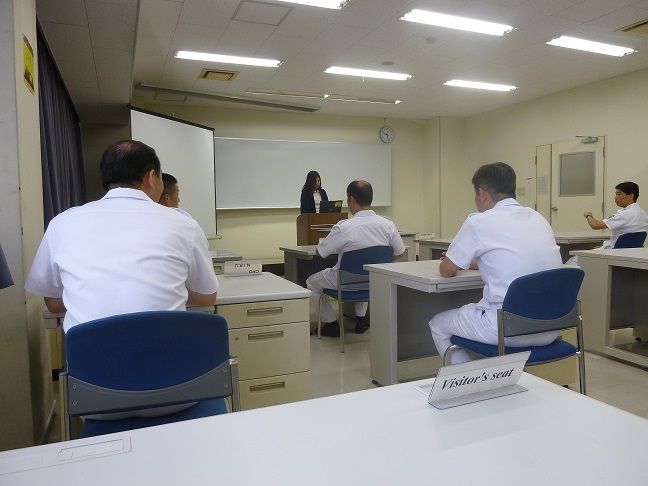
“The Osaka University Graduate School of Medicine offers graduate degrees consisting of a two-year Master’s program and a four-year Ph.D. program. These programs are designed to educate students to become independent scientists capable of working anywhere in the world after graduation. Research at the Graduate School of Medicine focuses on understanding the fundamentals of human life. To prepare students for such research, the school offers 29 science-based courses and 32 clinical-based courses, providing customized training for students interested in genetics, immunology, neuroscience, and other areas of medical science. Furthermore, students have opportunities to participate in joint research programs that allow them to conduct part of their studies at partner institutes both within Japan and internationally.”
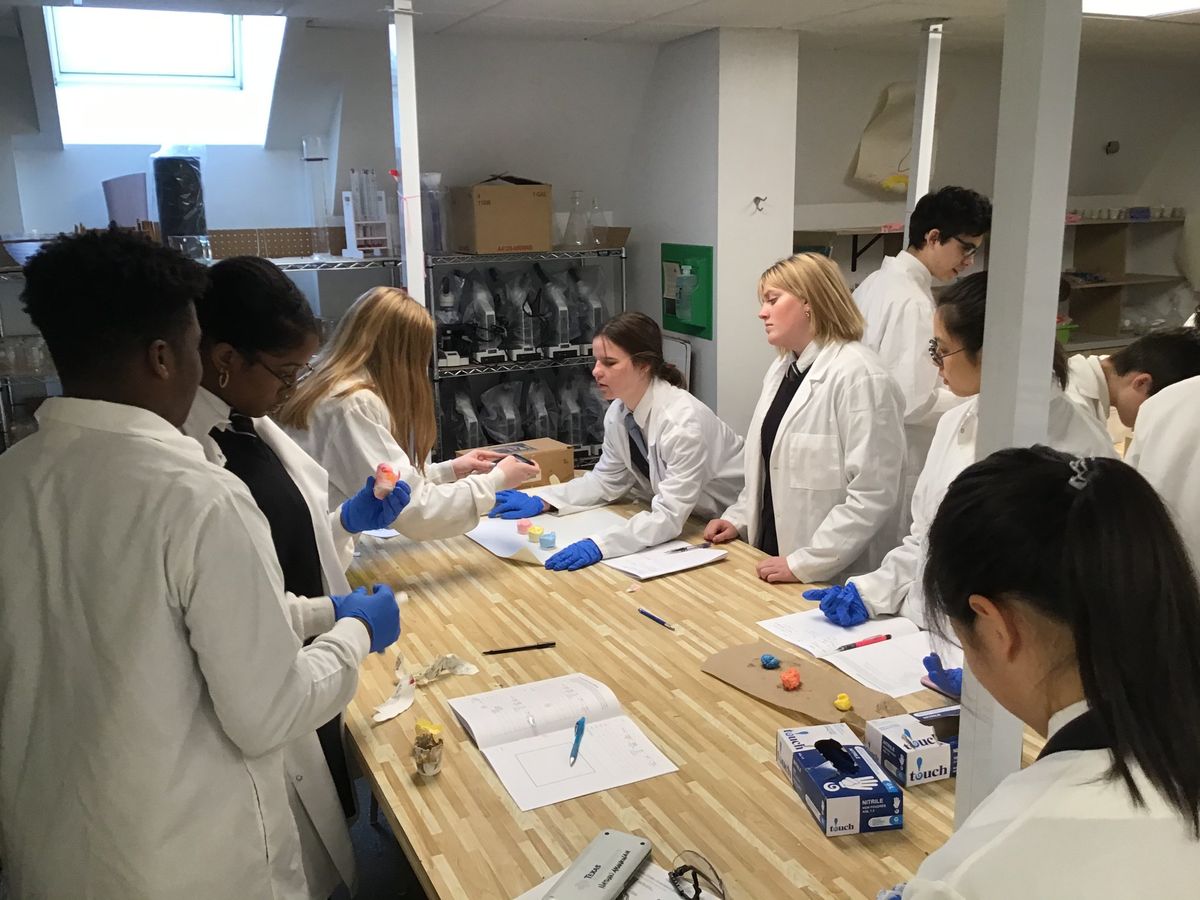
“The School of Allied Health Sciences, Faculty of Medicine at The University of Osaka, consists of three majors: Nursing, Medical Physics and Engineering, and Laboratory Sciences, each dedicated to education and research aimed at cultivating specialists in their respective fields. The Division of Health Sciences, Graduate School of Medicine, offers both master’s and doctoral programs, including distinctive graduate courses such as the Next-Generation Cancer Professional Training Plan (the fourth phase of cancer professional training), Genetic Counseling (expanded to cover lifestyle-related diseases in addition to cancer), Clinical Engineering Instructor Training Program, Advanced Medical Physics Training Course, and the Nurse Practitioner Program for autonomous therapeutic and preventive interventions. Through these programs and courses, the division is committed to developing professionals with strong research mindsets who will play leading roles in healthcare and research.”
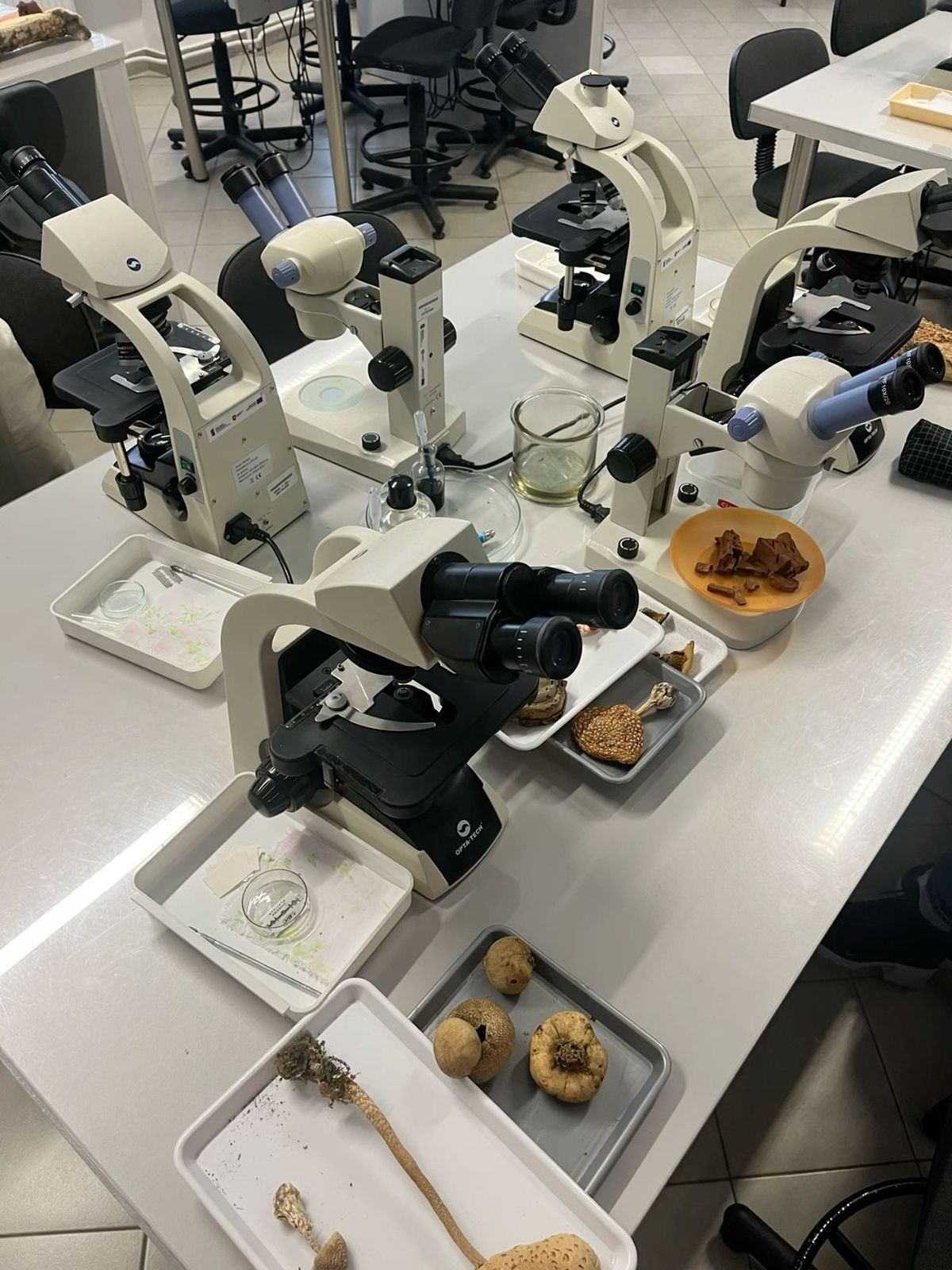
“The Graduate School of Pharmaceutical Sciences at Osaka University was established in April 1982. The school promotes research and education by positioning ‘pharmacology’ as an academic discipline aimed at the development of comprehensive health science. It has produced many leading professionals who play active roles at the forefront of diverse fields related to drug discovery, medicine, and the environment. As the social environment surrounding humanity continues to change rapidly, the role of pharmaceutical researchers involved in health sciences is becoming increasingly important. There is little doubt that the demand for researchers grounded in pharmacology will continue to grow in the future.”
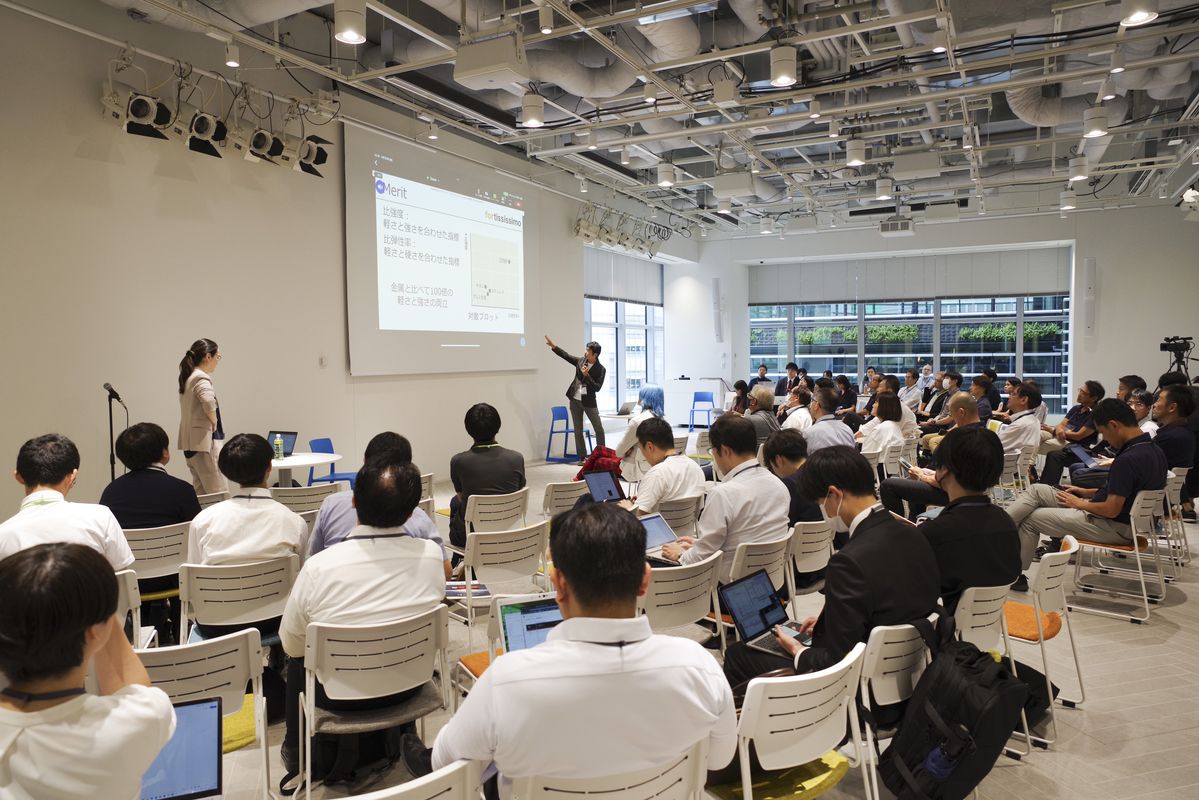
“The Graduate School of Engineering is the central body for education and research at The University of Osaka, comprising nine divisions/departments and four research centers. More than 170 laboratories cover diverse areas aimed at addressing societal challenges, and approximately 811 students enroll in the Master’s program each year. In addition, many international students from over 50 countries are among the 184 Ph.D. candidates. Faculty members and graduate students work enthusiastically together in pursuit of world-class research.”

“The Department of Materials Engineering Science aims to promote interdisciplinary research and education for skilled young scientists and engineers who can undertake new experimental and theoretical studies, including the development and analysis of advanced functional materials, novel chemical processes, and new technologies grounded in physics and chemistry. The department is composed of four divisions: Materials Physics, Chemistry, Chemical Engineering, and Frontier Materials Science.”

“The Graduate School of Information Science and Technology at The University of Osaka aims to ‘connect all the divides of society’ through the power of information science and technology (IST), conducting research to solve a wide variety of social challenges. With the widespread adoption of smartphones and the Internet, information tools and services have become deeply integrated into daily life. Furthermore, due to the rapid development of big data analysis and artificial intelligence (AI), information technologies have become essential across scientific, business, social, and everyday activities. Creating a future society in which human beings can live happily through the power of information science and technology is the school’s research goal. The Graduate School of Information Science and Technology actively engages in education and research in boundary and interdisciplinary fields through collaboration across diverse research areas, including life sciences, beyond traditional academic boundaries.”

“After graduation from the undergraduate school, motivated students are encouraged to proceed to graduate studies in one of the six departments of the Graduate School of Science: Biological Sciences, Chemistry, Earth and Space Science, Macromolecular Science, Mathematics, and Physics. Detailed information is available on the webpage dedicated to graduate programs. In addition to Japanese-language programs offered by each department, the Graduate School of Science also provides degree programs (M.S. and Ph.D.) conducted in English for international students in Biological Sciences, Chemistry, and Macromolecular Science (program name SISC), as well as Physics (program name IPC).”
Please Note: The University of Osaka requires undergraduate applicants to prepare for its Basic Entrance Examina-tion. The questions on The University of Osaka entrance examination are not necessarily difficult; students who have studied diligently in high school should be able to tackle any question on the en-trance examination using their existing knowledge and skills. In order to select the most suitable stu-dents, the University’s undergraduate entrance examination is based on the three basic policies out-lined below.
- First, the content of the entrance examination questions is specifically designed to be at a level man-ageable for those who have completed a high school education.
- Second, students are expected to be well prepared for the University’s liberal arts education upon enrollment. Accordingly, the University places high value on students who have studied a broad range of subjects across both the humanities and sciences and who possess global perspectives and communication skills in foreign languages. To meet these expectations, students in the humanities are required to have basic knowledge and competency in the sciences. Likewise, students in the sciences are expected to have basic knowledge and competency in the humanities. Furthermore, all students, regardless of their field of study, must demonstrate fundamental proficiency in one or more foreign languages.
- Third, the University emphasizes the importance of problem-solving ability through connecting known facts rather than relying solely on memorization.
The University expects all prospective applicants to keep the above-mentioned points in mind and to learn as deeply as possible throughout their primary and secondary school years.
As the majority of courses in traditional undergraduate programs are taught in Japanese, a high level of proficiency in Japanese is required upon enrollment.